Artist’s Journal: Flowers of Harmony
I’ve been thinking a lot about the columbine lately, from its classical roots to the new meanings I’ve discovered. Through the symbols of the eagle, the hawk, and the tension between conflict and peace, I’ve come to see how these diverse threads weave together with the moon to create harmony.
Why does the Columbine have so many cultural names?
Scientists call the Columbine ‘Aquilegia,’ a name derived from the Latin word for eagle. Consequently, the flower seems to hold the spirit of a bird of prey. In Korea, people call it ‘Hawk’s Claw.’ This name describes the long nectar spurs at the back of the bloom, as they look like the sharp talons of a hawk. Because the flower thrives in many regions and carries a long history, cultures across the world use various names to describe it.
The evolution of a symbol: From medieval art to modern peace
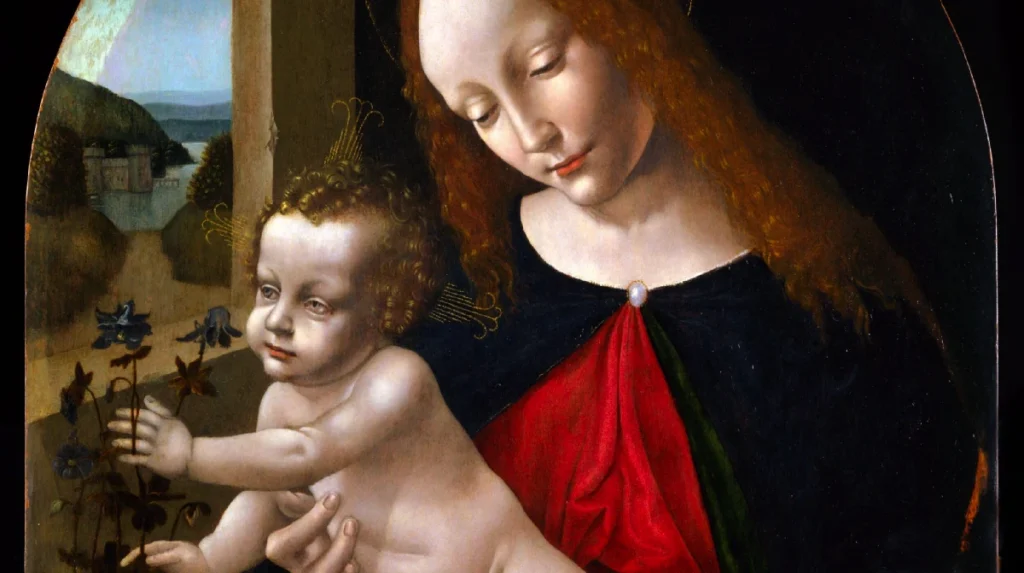
The Columbine blooms in many regions, and it carries a long history. Artists frequently featured it in medieval and Renaissance religious art. Furthermore, scholars link the scientific name, Aquilegia, to the Latin word ‘columba,’ meaning dove. In Christian tradition, the dove represents purity and the Holy Spirit. Therefore, painters often depicted this flower in images of the Virgin Mary or the Holy Family as a sign of divinity. Over time, the dove has become a lasting symbol of peace, appearing in everything from the story of Noah’s Ark to the famous drawings by Pablo Picasso.
How do language and landscape shape my artistic vision?
Living as an Asian in the West, I often reflect on this flower. (Although the Korean name translates to ‘hawk,’ it actually refers to a broad category of birds of prey.) The falcon or hawk reminds me of pride and authority in Arab culture. Meanwhile, the eagle in the scientific name represents the national symbol of the country where I live now. Indeed, this common wildflower has stirred many thoughts within me. Because of its wide distribution and long history, it speaks to both the human journey and our shared cultural diversity.
This common wildflower has stirred many thoughts within me. It speaks to the long history of humanity, much like the roots of the flower itself, and to the cultural diversity reflected in its wide distribution.

Reinterpreting 11:11 as a modern symbol of harmony
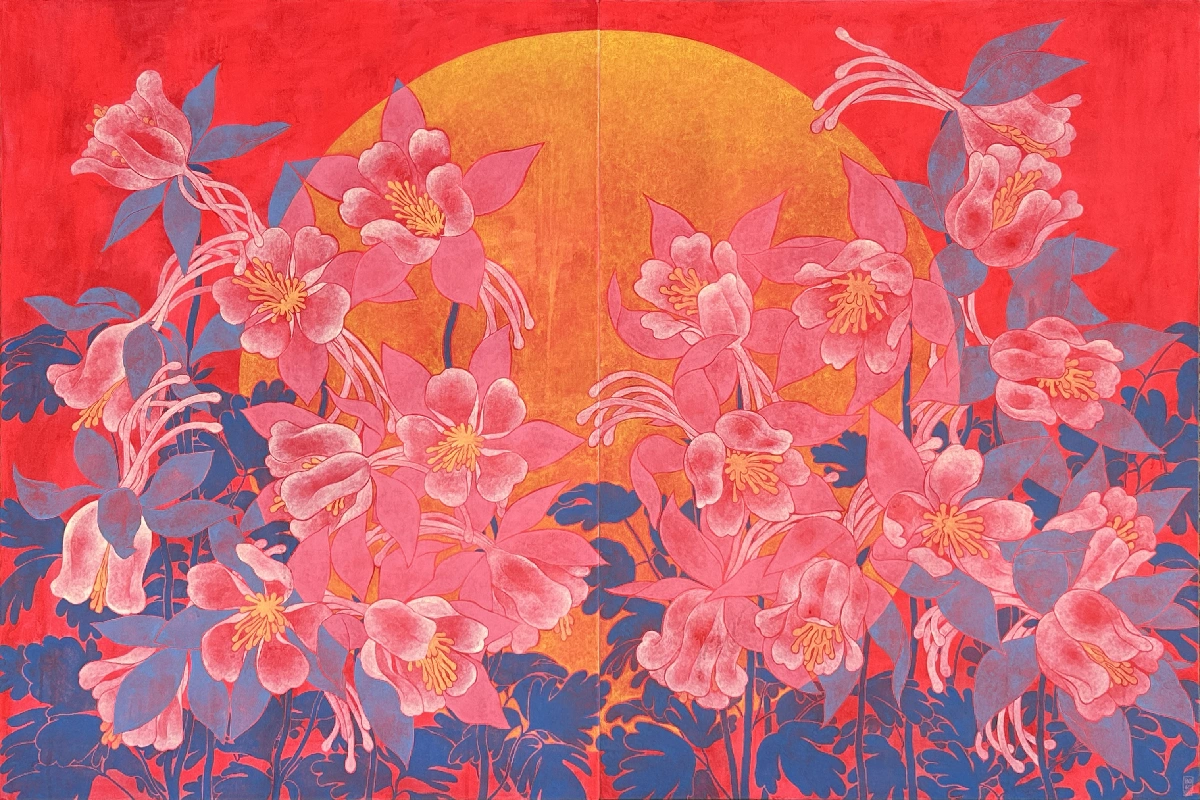
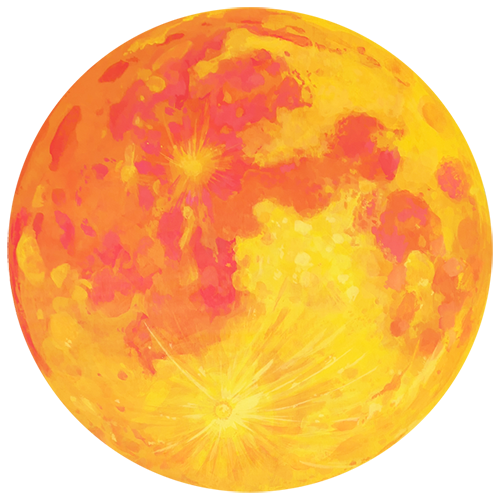
My view of this flower moves from ancient symbols to the present day. When I see these flowers blooming in groups, I am reminded of ’11:11.’ I think of the viral trend where people make wishes at this time. It was a massive movement, and it continues to be adapted and used in various ways even now. This reminds me of the old tradition of wishing upon the full moon. It is a modern, shared language of hope.
Read more about the moon and Korean culture here
I painted this vision on two canvases. I placed 11 flowers on each canvas. These 11:11 flowers and the moon began from a whimsical misunderstanding that sparked a chain reaction across different languages and cultures.
What started as a simple misinterpretation of a single flower has expanded into a vast world of meaning. Through my eyes, the flower grew beyond its original name and form to encompass the tensions and harmonies of our time:
East and West.
The Falcon and the Eagle.
The Past and the Present.
Conflict and Peace.
The Old and the New.
All of these tensions converge into a single hope.